Home/Skin/Laser Resurfacing
Skin procedure for men · New York City
Laser Resurfacing for Men in New York City.
Trade controlled injury for new skin, at exactly the depth your goals require. Compare honest NYC costs, a realistic recovery timeline, and the 12 board-certified surgeons verified for this procedure.
Verified against official records · No paid placements
Typical NYC cost
$1,500 to $8,000
Treatment time
30 to 90 minutes
Anesthesia
Topical to sedation, by depth
Social downtime
1 day to 2 weeks, by depth
Result
Builds over 3 to 6 months
Sessions
1 deep, or 3 to 4 lighter
Overview
What is laser resurfacing?
Laser resurfacing uses precisely controlled light energy to remove or heat the damaged outer layers of skin, triggering the body to rebuild with fresh tissue and new collagen. It treats what the surface has accumulated: sun damage, uneven tone, fine lines, enlarged pores, acne scarring, and the crepey texture that filler and Botox cannot touch.
The field runs on a single trade: depth buys result, and downtime pays for it. Non-ablative fractional treatments refresh with days of redness across a short series; ablative fractional lasers trade a week or two of healing for changes people notice; fully ablative resurfacing remains the deepest single-session reset. Two male-specific notes: men cannot cover healing redness with makeup, so downtime planning has to be honest, and treatment through beard-bearing skin needs settings and wavelength choices that respect the hair follicles unless reduction is the goal. Men's thicker, oilier skin also tolerates and often requires more aggressive settings, another reason the operator matters. This guide is educational and is not medical advice.
Benefits
What can laser resurfacing do?
- Erases or dramatically softens sun damage and uneven pigmentation
- Smooths fine lines, crepey texture, and enlarged pores
- One of the most effective treatments available for acne scarring
- Stimulates collagen that keeps improving skin for months after healing
- Depth and coverage are tunable from lunchtime refresh to full reset
Candidacy
Who is a good candidate?
- Your concern is the skin's surface: tone, texture, lines, scarring, sun damage
- You can protect healing skin from the sun seriously, for weeks
- Deeper skin tones need device and setting expertise to treat safely; choose accordingly
- You are off isotretinoin and free of active skin infections in the area
- Sagging and volume loss are different problems; resurfacing improves quality, not position
The procedure
How does laser resurfacing work?
The consultation matches your goals and skin type to a depth strategy. Fractional devices treat a grid of microscopic columns, leaving intact skin between them to speed healing; the fraction, energy, and passes set the intensity dial.
Non-ablative treatments heat tissue without removing it: redness for a day or two, a series of three or four sessions, and gradual improvement. Ablative fractional lasers, CO2 or erbium, vaporize their columns for deeper remodeling: one session, a week or two of visible healing, and a result that continues building for months as collagen matures.
Treatment runs thirty to ninety minutes under topical numbing for lighter work, with nerve blocks or sedation for deep sessions. Deeper skin tones change the calculus: certain wavelengths and aggressive settings risk pigmentation problems, which is why device selection and operator experience with your skin tone are safety questions, not preferences.
Recovery, honestly
How long does laser resurfacing recovery take?
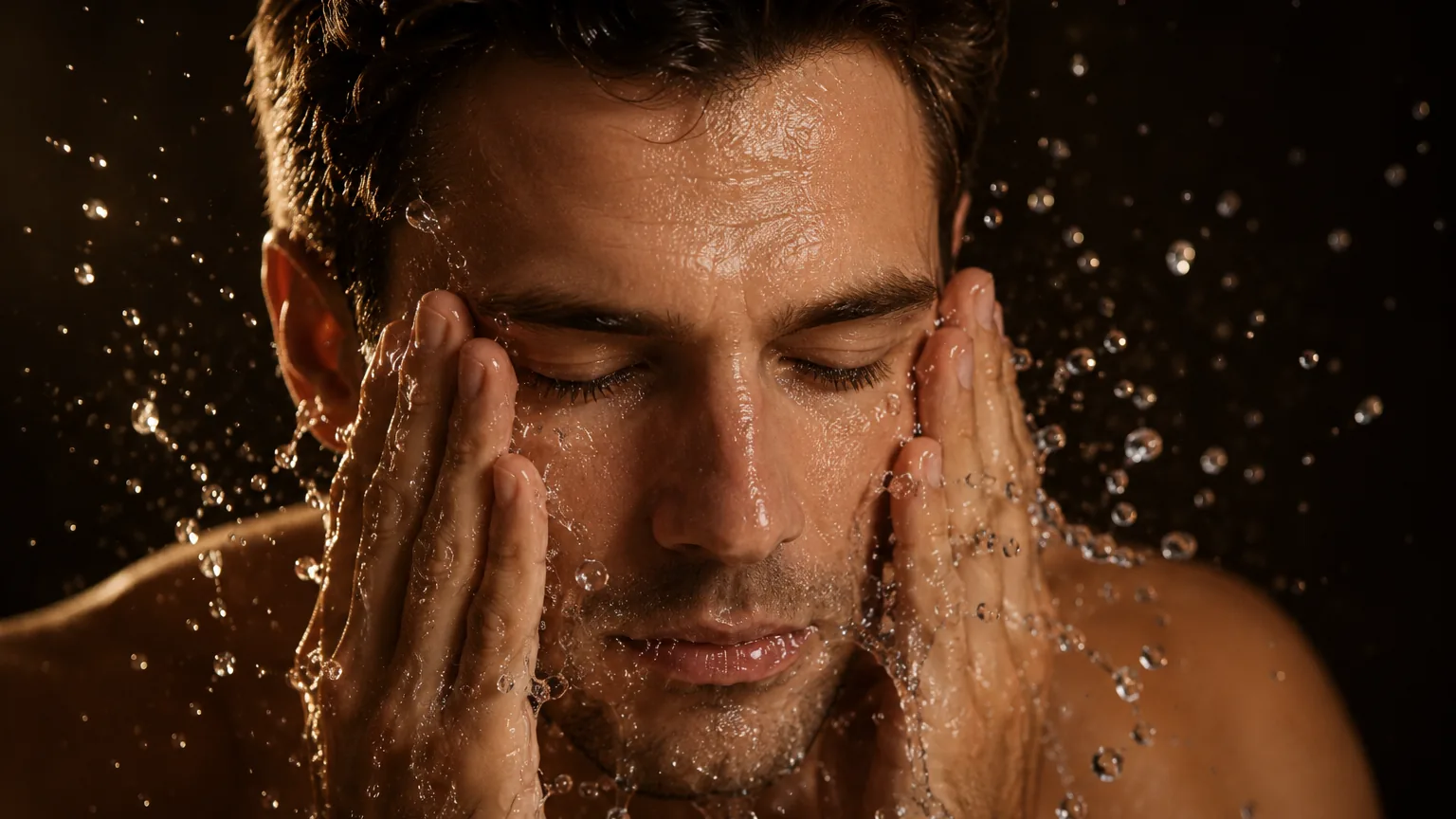
Recovery tracks depth exactly. Non-ablative: a day or two of redness and mild swelling, often presentable the next day. Ablative fractional: several days of rawness, oozing, and strict ointment care, presentable with effort at a week, pink for a few weeks after.
The non-negotiable is sun protection: healing skin pigments at the slightest provocation, so high SPF and genuine avoidance run for weeks to months.
Results build long after healing: texture refines first, pigment clears over weeks, and the collagen dividend arrives across three to six months. Deep treatments hold for years; lighter series maintain with annual touch-ups.
01
The healing window
Days 1 to 3
- Redness and swelling for all depths; rawness and ointment care for ablative
- Cool compresses, elevation, and strict hands-off discipline
- Non-ablative patients are often presentable without comment by day two
Cost in NYC
How much does laser resurfacing cost in NYC?
$1,500 to $8,000
Typical low
$1,500
Typical high
$8,000
Manhattan pricing spans the depth curve: non-ablative fractional sessions run roughly $1,000 to $2,000 each, usually in a series of three or four, while a single full-face ablative fractional resurfacing with an expert runs $4,000 to $8,000 or more. Price the endpoint, not the session: a $1,500 series repeated four times is not cheaper than one definitive treatment. Treat these as estimates and confirm a written plan at consultation.
What moves the price
01
Depth and device: non-ablative series versus single ablative resurfacing
02
Coverage: full face versus targeted zones, and neck or chest add-ons
03
Anesthesia for deep treatments: blocks or sedation add real cost
04
Operator expertise, the variable that sets both result and safety
Risks
What are the risks of laser resurfacing?
Prolonged redness or swelling beyond the expected window
Post-inflammatory hyperpigmentation, the key risk in deeper skin tones and sun-exposed healing
Hypopigmentation or demarcation lines after aggressive ablative work
Infection, including reactivation of cold sores, prevented with antiviral medication
Scarring from excessive depth or poor aftercare, rare in expert hands
Under-treatment: a device mismatched to the goal produces expense without change
Price should never be the deciding factor. The safest choice is a board-certified surgeon operating in an accredited facility, which is the floor every surgeon in this directory has already cleared.
Choosing your surgeon
How to choose a laser resurfacing specialist in New York.
The result you will live with is decided at the choosing stage, not on the operating table. Four things separate a specialist from a generalist, and only one of them is on their website.
See the verified list
Choose the physician, then the device
Lasers are marketed by brand name, but outcomes track the operator's judgment: depth settings, pass counts, endpoint reading. Board-certified plastic surgeons and dermatologists whose practices resurface weekly, like the specialists below, are the level you want at the controls.
Make your skin tone part of the device conversation
Deeper skin tones can absolutely be resurfaced well, but device choice and settings differ, and the operator's documented experience with your skin type is a safety credential. Ask to see healed results on skin like yours specifically.
Demand a plan priced to the endpoint
A serious consultation names the goal, the device, the number of sessions, and the total cost to get there. Session-by-session upselling, or a menu where every concern gets the same laser, signals retail rather than medicine.
Ask what the laser will not fix
Resurfacing improves the skin's surface; it does not lift jowls or restore volume. A specialist who draws that line, and tells you when surgery or filler is the honest answer, is protecting your money as well as your face.
Verified providers
Top laser resurfacing specialists in NYC.
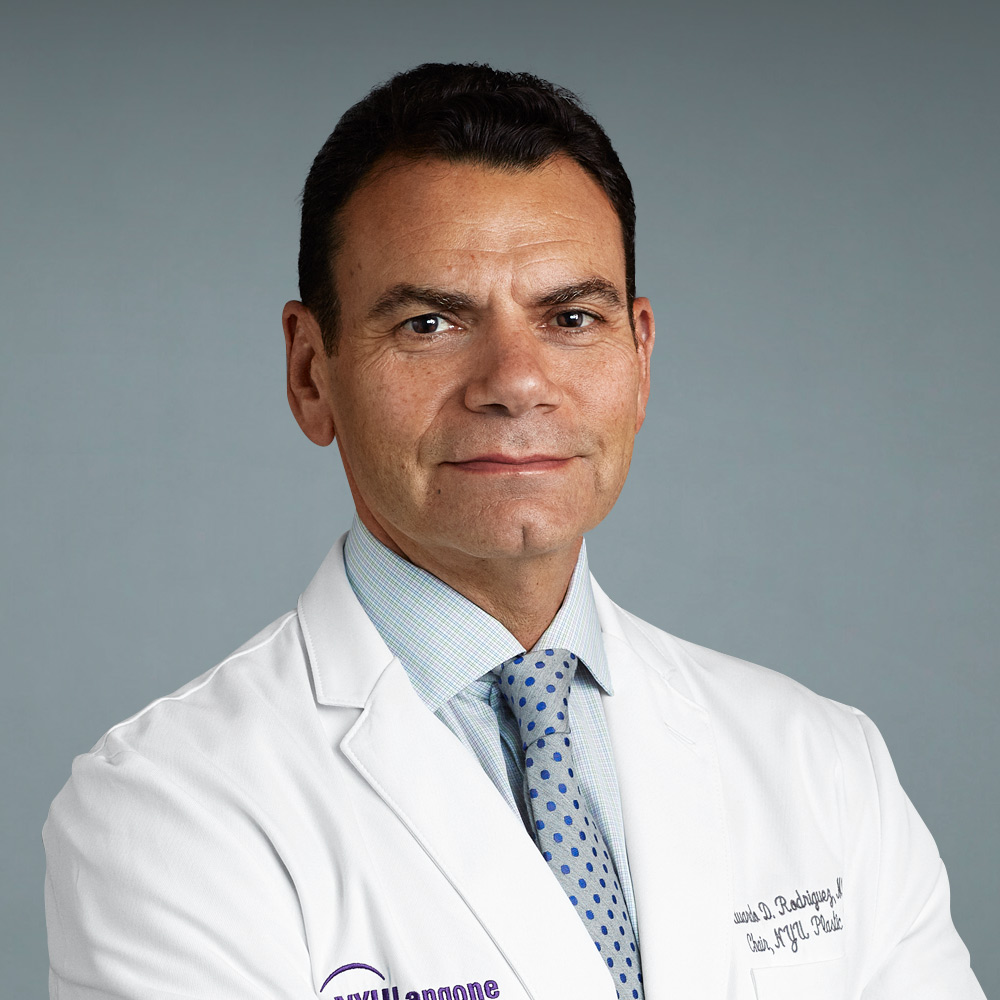
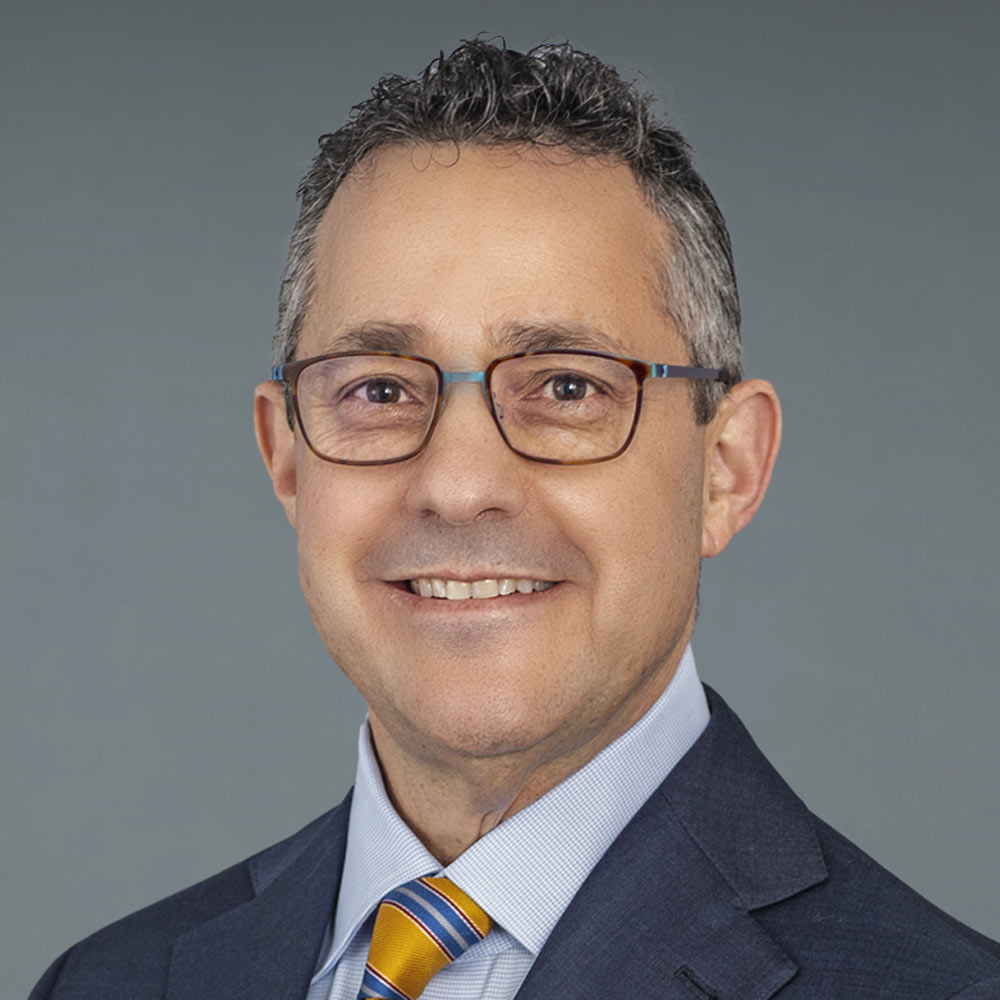
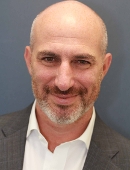
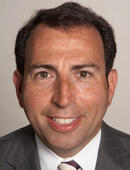
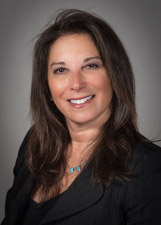
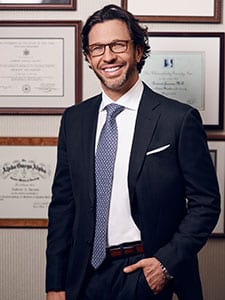
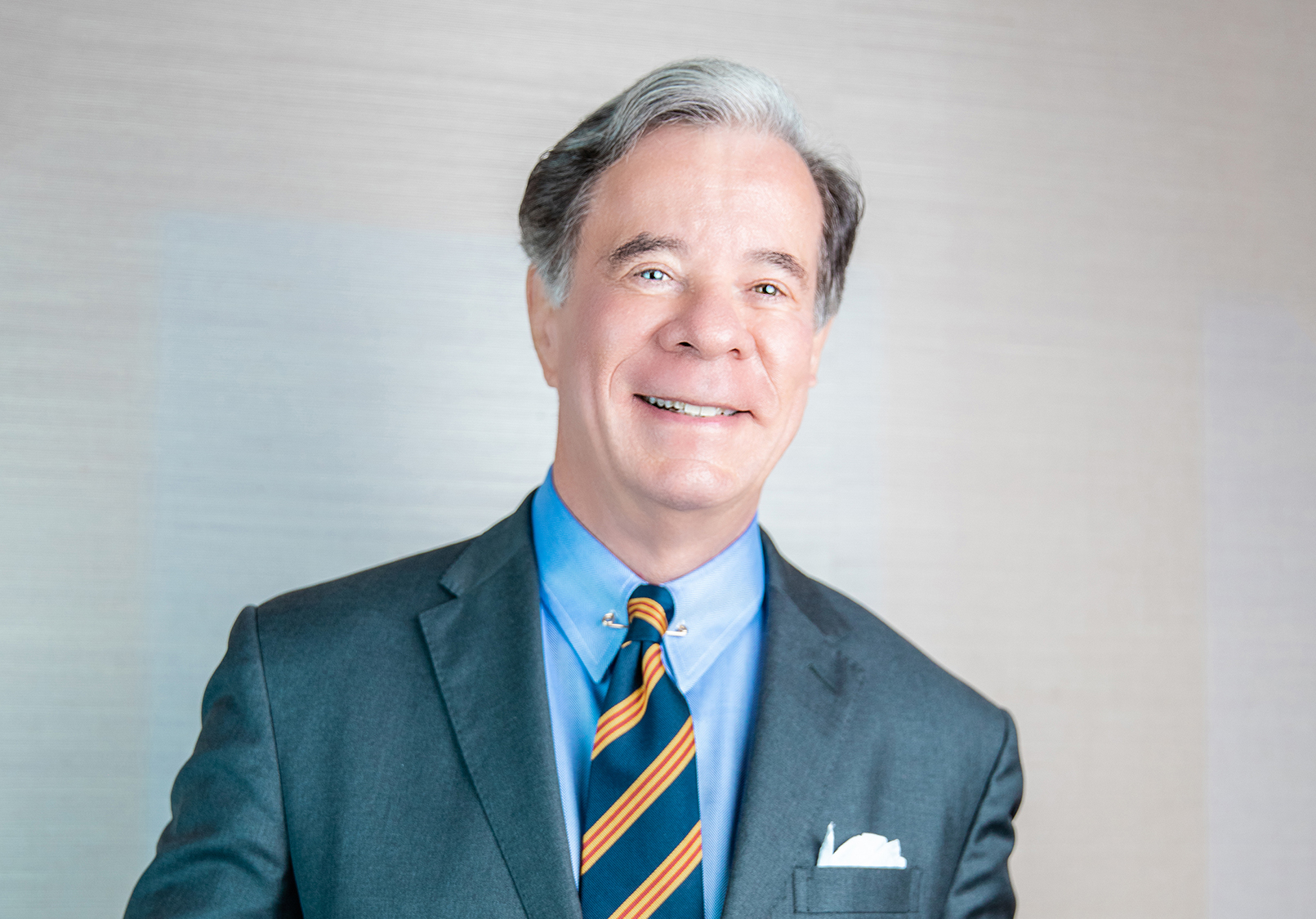
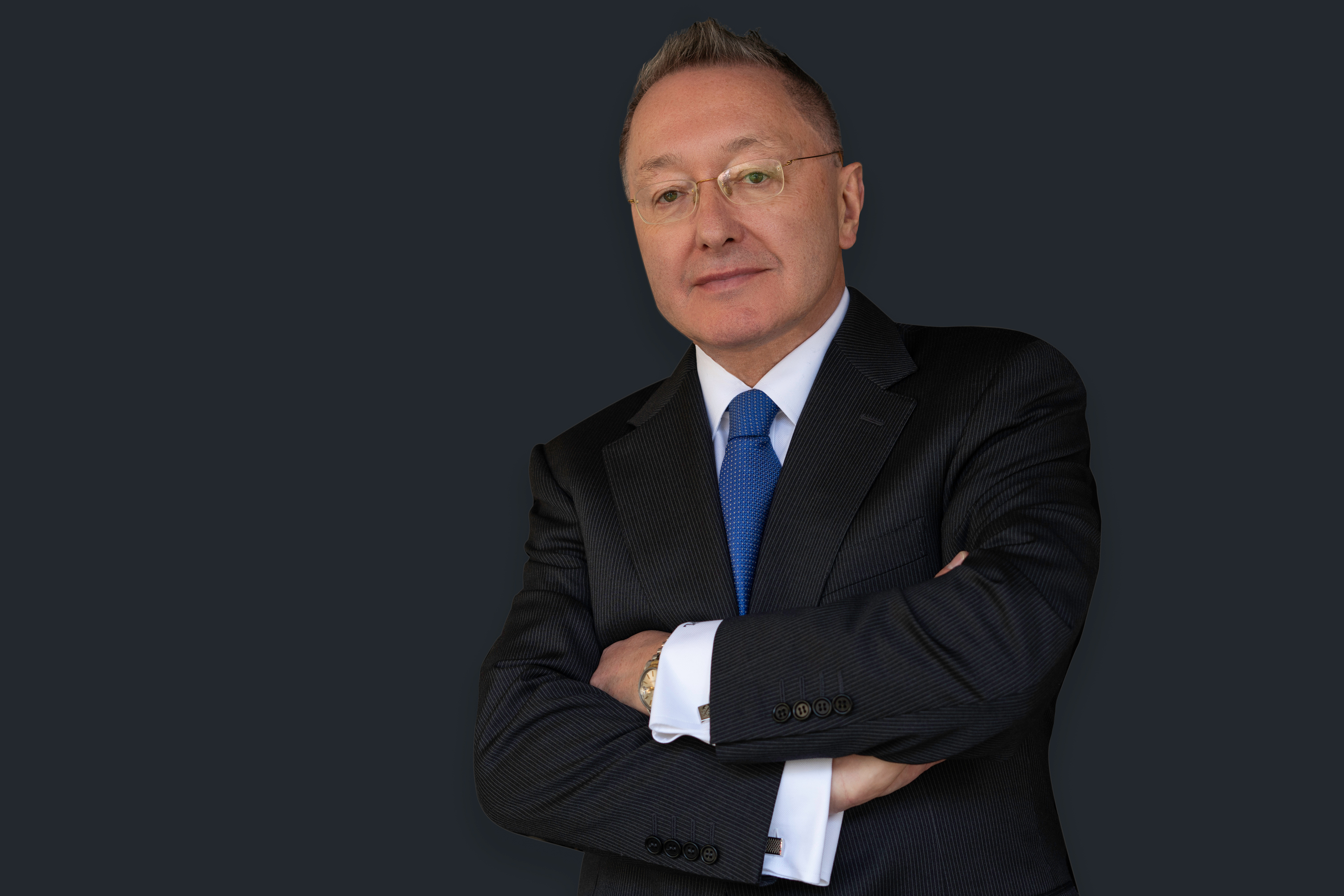
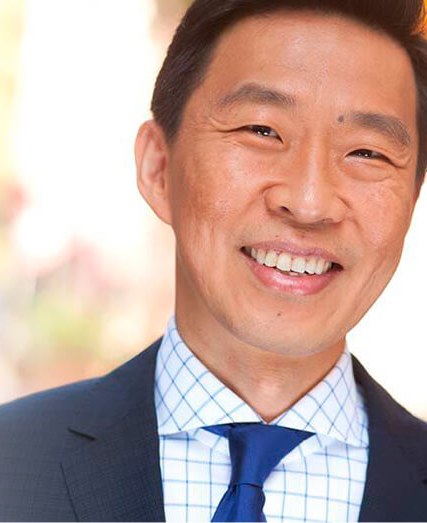
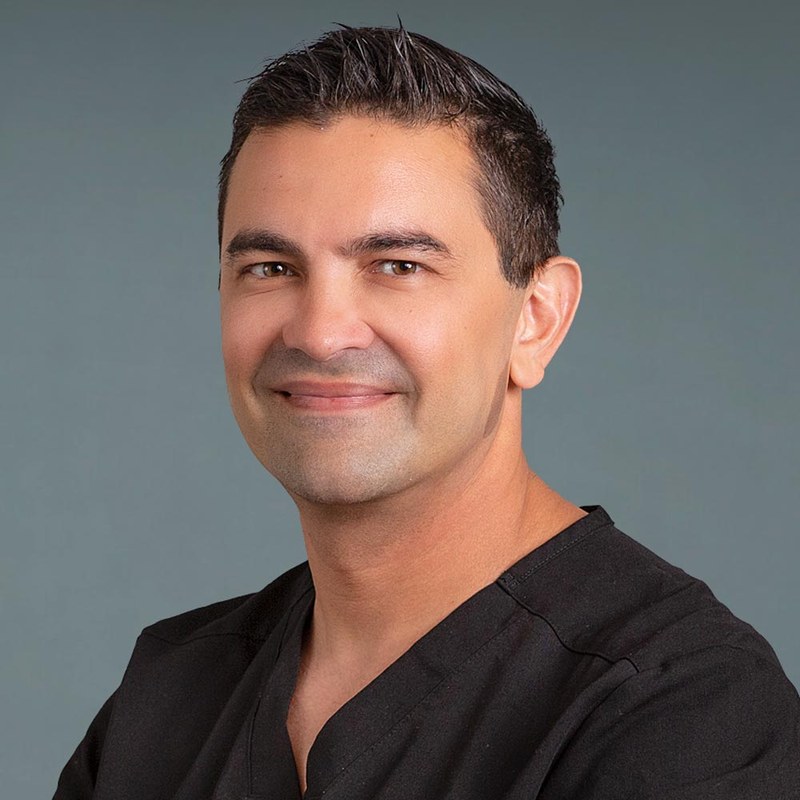
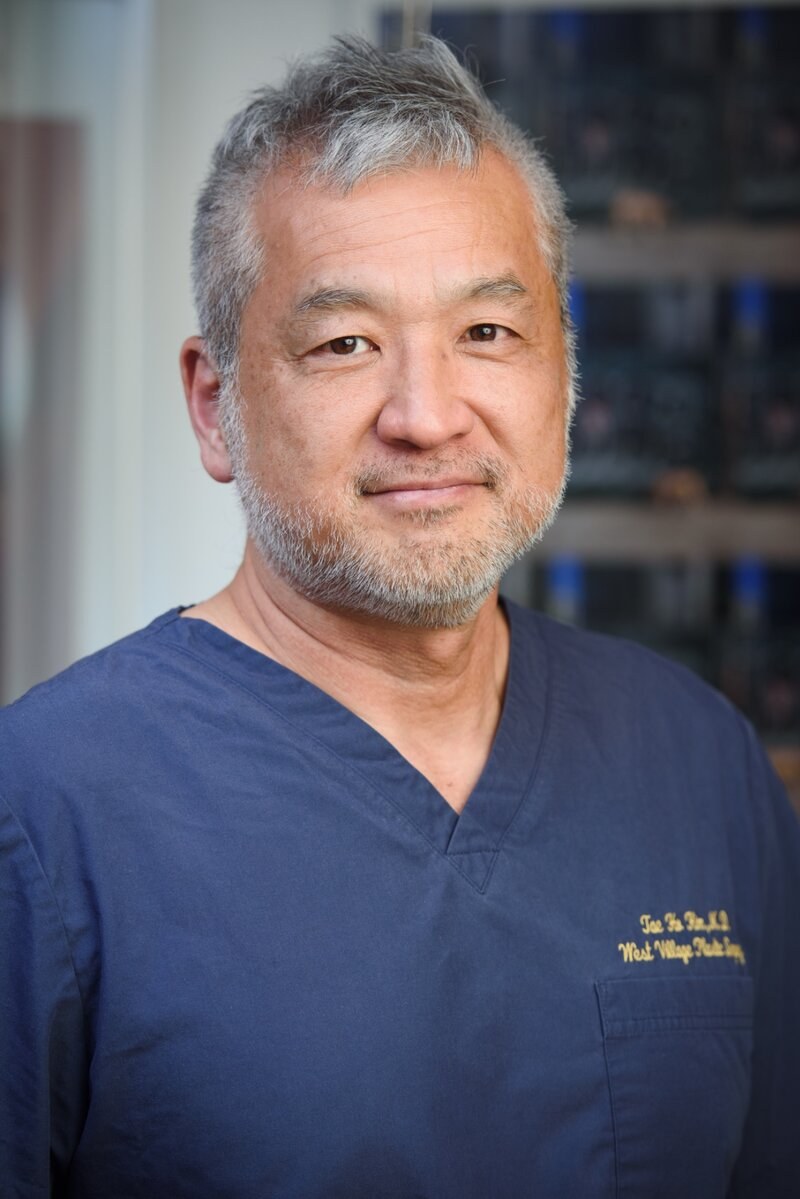
Board-certified surgeons who focus on this area, each verified against an official hospital or academic source. Listed on merit, never paid placement.

Common questions
Laser Resurfacing questions, answered.
The questions men actually bring to a first laser resurfacing consultation, answered in full view. Nothing folded away, nothing to click open.
Ask a different questionHow much does laser resurfacing cost in NYC?
Non-ablative fractional sessions run about $1,000 to $2,000 each in a series; a definitive full-face ablative fractional treatment with a Manhattan expert runs $4,000 to $8,000 or more. Compare total plans, not session prices.
How long is laser resurfacing downtime?
A day or two of redness for non-ablative treatments; roughly a week of visible healing plus a few pink weeks for ablative fractional work. Downtime tracks depth, and depth tracks results.
Is laser resurfacing safe for darker skin?
Yes, with the right device, conservative settings, and an operator experienced with deeper skin tones; certain lasers and aggressive protocols are the risk, not resurfacing itself. Make documented experience with your skin type an explicit hiring criterion.
How long do laser resurfacing results last?
Deep ablative results hold for years; the collagen you build is yours, and the skin ages forward from a better baseline. Sun behavior is the biggest variable in how long the pigment improvements hold.
Does laser resurfacing help acne scars?
It is among the most effective treatments available, particularly ablative fractional lasers, often in a short series. Deep, tethered scars sometimes pair resurfacing with subcision for the best result.
Laser or chemical peel, which is better?
They overlap at the light end; at depth, lasers offer precision and per-zone control that peels cannot, while medium peels remain a cost-effective workhorse for tone. The honest answer depends on your goal and budget, which is what a consultation with someone offering both should settle.
Related procedures