Home/Hair/Hair Transplant
Hair procedure for men · New York City
Hair Transplant for Men in New York City.
Your own hair, moved from where it is permanent to where it is missing. Compare honest NYC costs, a realistic recovery timeline, and the 3 board-certified surgeons verified for this procedure.
Verified against official records · No paid placements
Typical NYC cost
$8,000 to $25,000+
Procedure time
4 to 8 hours
Anesthesia
Local, with oral sedation
Social downtime
5 to 10 days
Full result
12 to 18 months
Setting
Office surgical suite
Overview
What is a hair transplant?
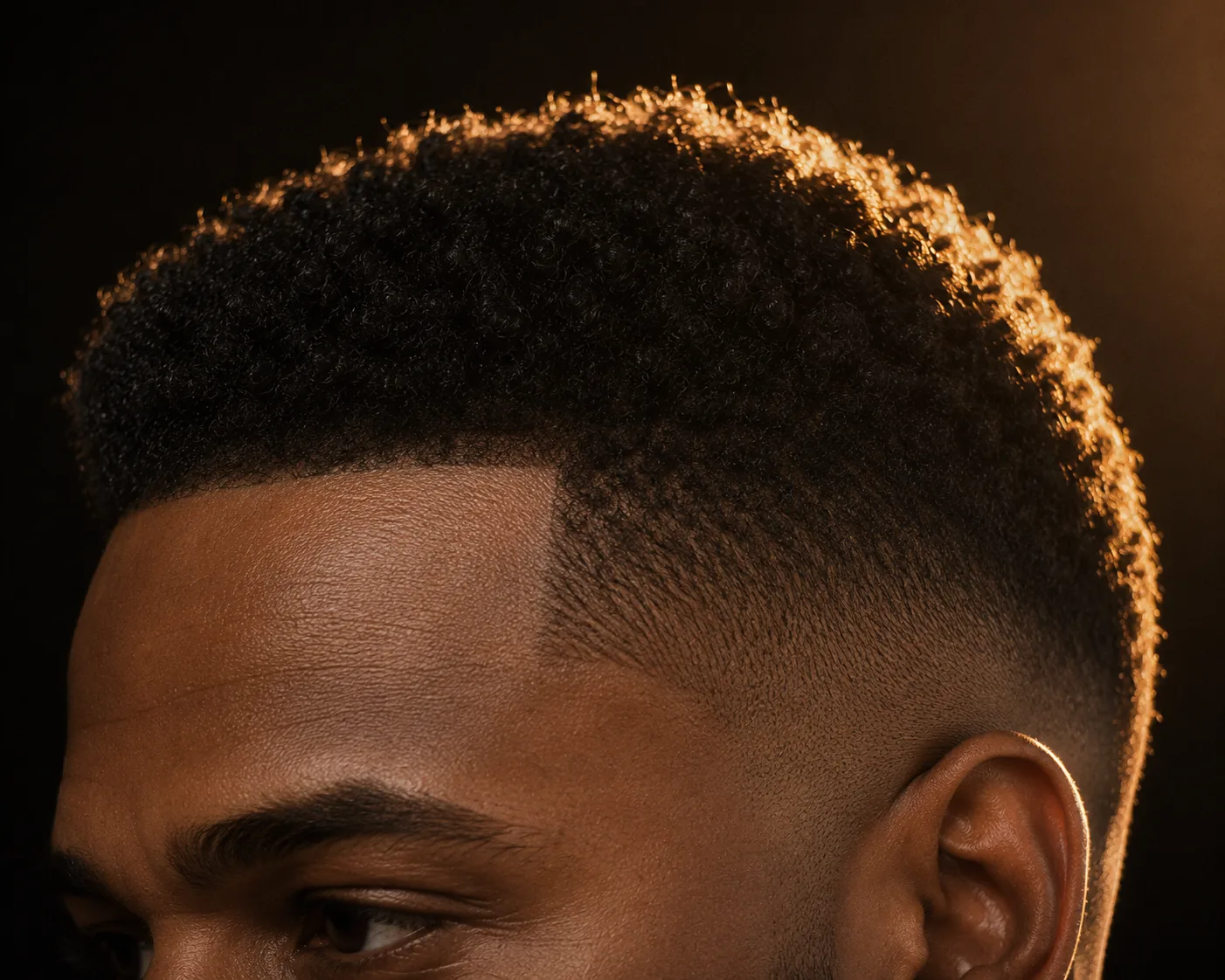
A hair transplant relocates follicles from the donor zone at the back and sides of the scalp, where hair is genetically permanent, to the hairline, temples, or crown where it has thinned. Moved follicles keep their donor programming and grow for life, which is why a well-planned transplant is the one genuinely permanent answer to male pattern loss.
Two harvesting methods dominate. FUE, follicular unit excision, removes follicular units one at a time through dot incisions that hide even under short haircuts, and it is what most NYC patients now choose. FUT, the strip method, removes a thin band of scalp and yields large graft counts in one session at the price of a linear scar. Either way, the arithmetic is unforgiving: donor hair is finite, pattern loss keeps advancing, and the design has to make sense on your head at sixty, not just at next year's wedding. That is why the surgeon's plan, and whether medication stabilizes the loss first, matters more than the device brand on the clinic's website. This guide is educational and is not medical advice.
Benefits
What can a hair transplant do?
- Transplanted follicles are permanent; they keep their donor-zone genetics for life
- Modern FUE heals with dot scars that disappear under all but the shortest cuts
- Rebuilds the frame of the face: hairline and temples change how every photo reads
- One procedure can move 1,500 to 3,000 grafts, enough for a hairline and beyond
- Results are your own growing hair, cut, styled, and washed like the rest
Candidacy
Who is a good candidate?
- Your loss is established male pattern loss, stable or medically stabilized, not a first shed in your early twenties
- Your donor zone is dense enough to supply the plan; the math is checked at consultation
- Your expectations fit the arithmetic: coverage and framing, not teenage density
- You accept that ongoing native loss may mean medication, maintenance, or a second session years later
- You are in good general health; the procedure is long but performed under local anesthesia
The procedure
How does a hair transplant work?
Planning is the product. The surgeon maps your loss pattern and its likely progression, measures donor density, designs a hairline with irregular, age-appropriate placement, and does the graft arithmetic out loud: how many units the plan needs, how many the donor can give, and what is held in reserve for the future.
On the day, the donor zone is trimmed and numbed. In FUE the surgeon extracts follicular units individually with a fine punch; in FUT a strip is removed and dissected into units under microscopes. Recipient sites are then made across the design, controlling angle, direction, and density, and each graft is placed. The recipient-site work is where artistry lives, and it is the part you are actually hiring.
Sessions run four to eight hours under local anesthesia with breaks. Grafts crust for several days, shed their hairs over the following weeks, a normal and alarming-looking stage, then begin regrowing around month three or four, with the full result readable at twelve to eighteen months.
Recovery, honestly
How long does hair transplant recovery take?
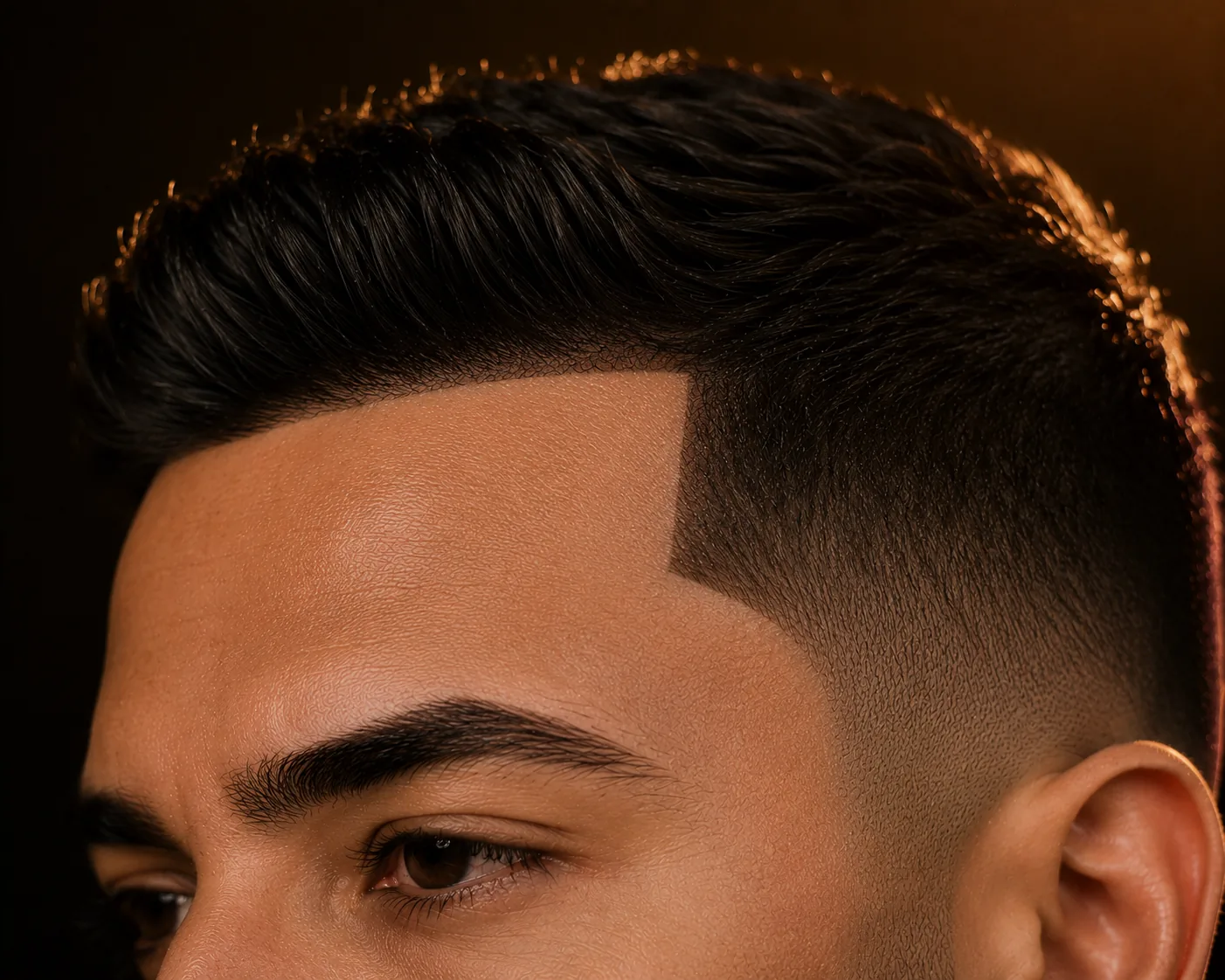
Days one through five are the visible phase: tiny crusts across the recipient area and a shaved or trimmed donor zone. Most men take five to ten days away from the office or wear a cap where permitted; the crusts wash away by around day seven to ten.
The transplanted hairs shed over weeks two through eight. This is expected: the follicle stays, resets, and regrows. Native shock loss, temporary shedding of neighboring hair, can happen and recovers over months.
Growth arrives quietly: early sprouts around month three or four, real change by month six to eight, and the honest final result at twelve to eighteen months, which is when density and texture have matured enough to judge.
01
Crusts and care
Days 1 to 10
- Gentle saline spraying and careful washing per the clinic's exact protocol
- Sleep elevated; no rubbing, helmets, or hard hats on the grafts
- Crusts release around day 7 to 10 and the donor zone quiets down
Cost in NYC
How much does a hair transplant cost in NYC?
$8,000 to $25,000
Typical low
$8,000
Typical high
$25,000
Manhattan hair transplantation is priced largely per graft, commonly $6 to $12 with experienced surgeons, so a 1,500-graft hairline runs roughly $9,000 to $18,000 and larger sessions climb from there. Cut-rate offers usually mean technicians doing the surgical steps or aggressive graft-count inflation. Treat these as estimates and get the graft count, the price per graft, and who performs each step in writing.
What moves the price
01
Graft count your plan genuinely needs, the dominant variable
02
FUE versus FUT harvesting, and whether long sessions need two days
03
Who does what: surgeon-performed extraction and site-making versus technician-heavy models
04
The surgeon's demand and design reputation in a market with real quality spread
Risks
What are the risks of a hair transplant?
Poor growth yield if grafts are handled or placed badly, the central quality risk
An unnatural hairline from too-straight, too-low, or too-dense design, the error that cannot hide
Overharvested, visibly thinned donor zones from aggressive FUE, a permanent injury to your reserve
Folliculitis, small infections around healing grafts, usually minor and treatable
Temporary numbness of the scalp; a linear scar with the FUT strip method
Continued native loss around the transplant, the reason medication and long-term planning belong in the conversation
Price should never be the deciding factor. The safest choice is a board-certified surgeon operating in an accredited facility, which is the floor every surgeon in this directory has already cleared.
Choosing your surgeon
How to choose a hair transplant surgeon in New York.
The result you will live with is decided at the choosing stage, not on the operating table. Four things separate a specialist from a generalist, and only one of them is on their website.
See the verified list
Ask exactly who does each step
In heavily marketed clinics the physician may only greet you while technicians harvest and place every graft. Ask who designs the hairline, who makes the recipient sites, and who extracts. The physicians in this directory are listed because their credentials are verifiable; make the division of labor equally explicit.
Judge the hairline design, not the graft count
A natural result is irregular, conservatively placed, and designed for your face at sixty. Ask to see healed hairlines on men your age with your loss pattern, and listen for how the surgeon talks about the future of your native hair.
Make them do the donor math with you
Your donor zone is a fixed budget that has to fund your whole balding future. A responsible surgeon counts it, plans a reserve, and will tell a poor candidate no. High-pressure mega-session sales math is the opposite signal.
Expect a medical plan, not just a surgical one
Transplants move hair; they do not stop loss. Surgeons serious about outcomes talk about finasteride, minoxidil, or documented alternatives to stabilize what you still have, because a transplant island in an advancing bald pattern is the failure mode everyone has seen.
Verified providers
Top hair transplant surgeons in NYC.
Board-certified surgeons who focus on this area, each verified against an official hospital or academic source. Listed on merit, never paid placement.



Common questions
Hair Transplant questions, answered.
The questions men actually bring to a first hair transplant consultation, answered in full view. Nothing folded away, nothing to click open.
Ask a different questionHow much does a hair transplant cost in NYC?
Commonly $6 to $12 per graft with experienced Manhattan surgeons: roughly $9,000 to $18,000 for a 1,500-graft hairline session and $15,000 to $25,000 or more for larger plans. Get graft count and per-graft price in writing.
Will a hair transplant look natural?
A well-designed one is undetectable, including to barbers. Naturalness comes from irregular hairline design, correct angles, and single-hair grafts at the front, which is surgeon skill, not device branding. The pluggy transplants you remember are a design era, not the current standard.
How long until I see results?
Transplanted hairs shed in the first weeks, start regrowing around month three or four, look meaningfully different by month six to eight, and mature fully at twelve to eighteen months.
Do I have to take finasteride after a transplant?
No, but the conversation is mandatory. The transplant is permanent; your surrounding native hair keeps thinning without stabilization, which can strand the result over time. Discuss medication, its alternatives, and their trade-offs honestly with your surgeon.
FUE or FUT, which is better?
FUE hides even under short cuts and dominates NYC practice; FUT yields big graft counts efficiently at the price of a linear scar under longer hair. The honest answer depends on your loss, donor, and haircut, and a surgeon who offers both can give it without bias.
How do I choose a hair transplant surgeon in NYC?
Verify the medical credential, ask who performs each surgical step, study healed hairlines on men like you, and insist on donor math and a long-term plan. Consult with at least two practices before committing a finite donor supply to anyone.
Related procedures